The Complete Inca Trail Hike Guide
for Beginners
The Complete Inca Trail Hike Guide for Beginners
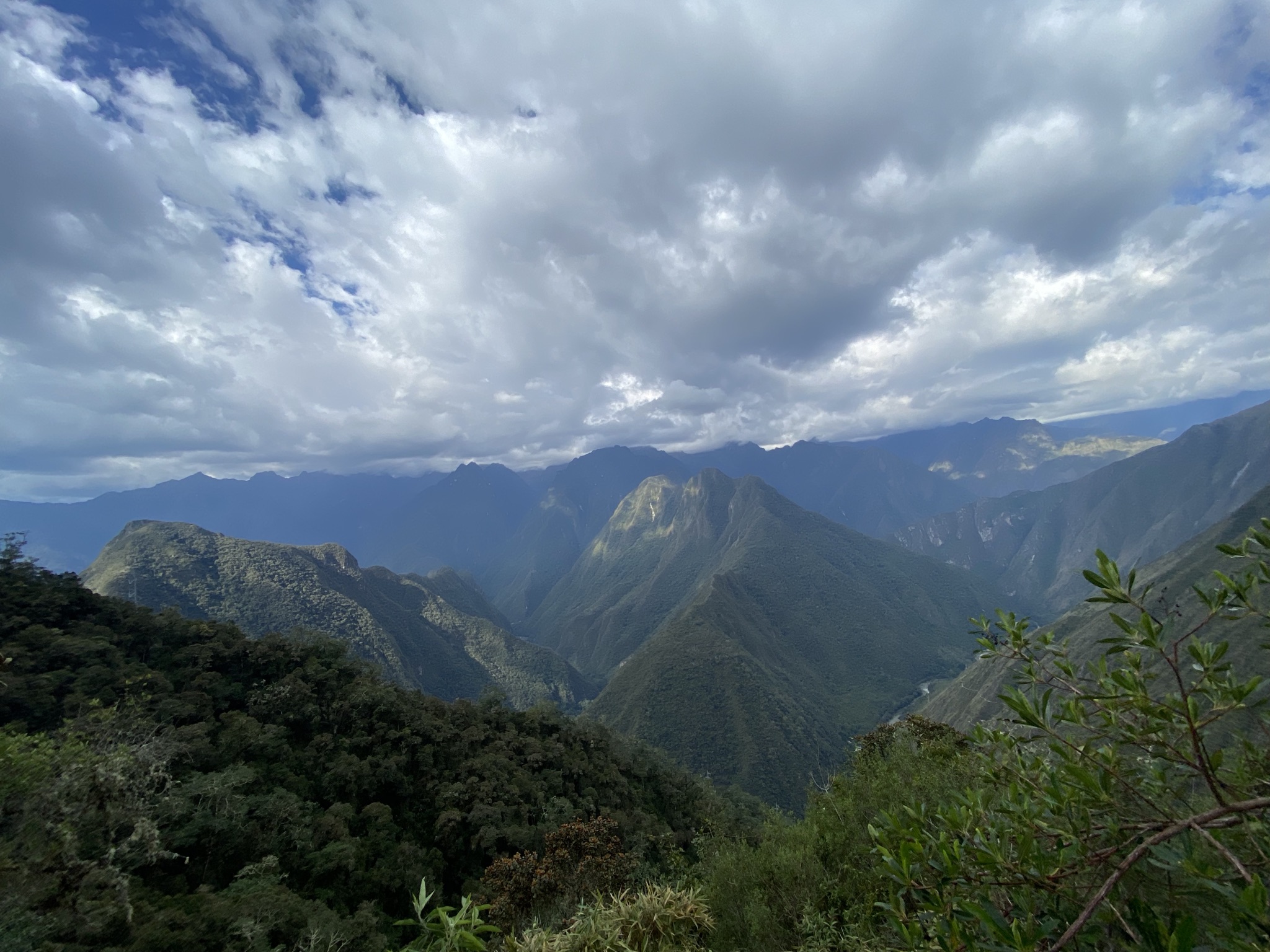
Deep in the Peruvian Andes lies a sacred path, once walked by Incan royalty, crossing rugged peaks and misty cloud forests, with the legendary Sun Gate waiting at the finish line. The Inca Trail holds an undeniable mystique, drawing adventurers from around the world, ready to take on the challenge. Proper preparation for the Inca trail multi-day hike to Machu Picchu is essential for a more enjoyable hiking experience, this guide will cover everything you need to know.
By the end, you’ll know exactly how to prepare, what essentials to pack, and key tips to make your journey smoother.
Four days, 26 miles, endless ascents. The Inca Trail is no ordinary trek, it’s a test of endurance and a path to one of the world’s greatest wonders. Are you ready?
Trail at a glance
Everything You Need to Know
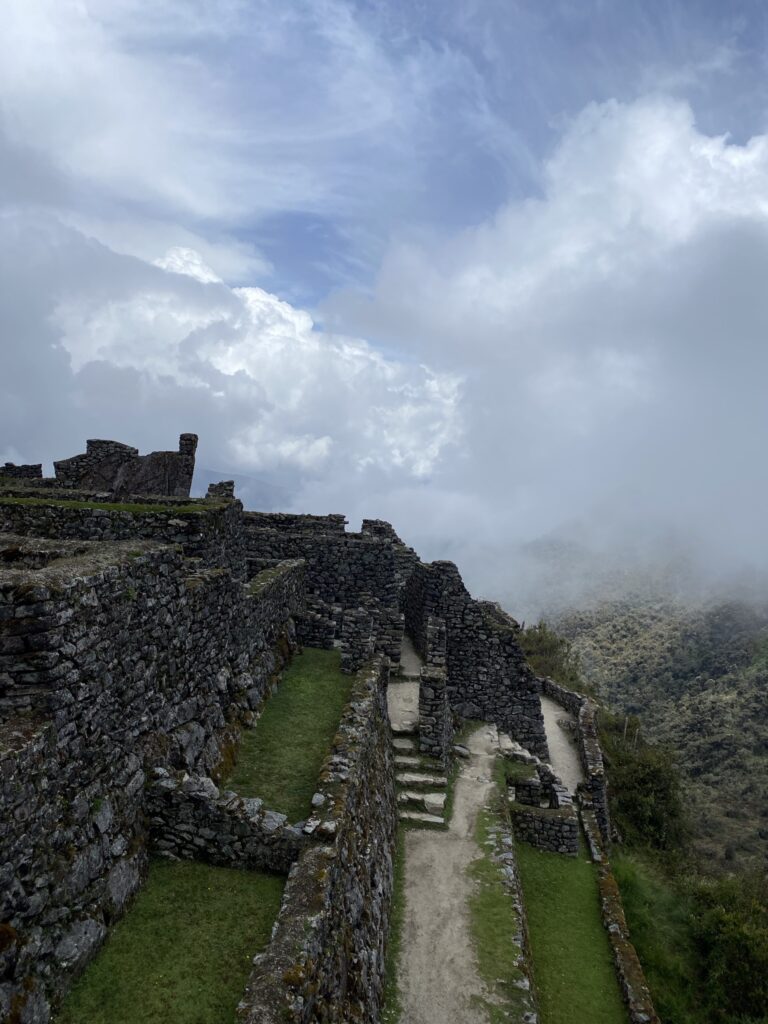
Can a Beginner Hike the Inca Trail?
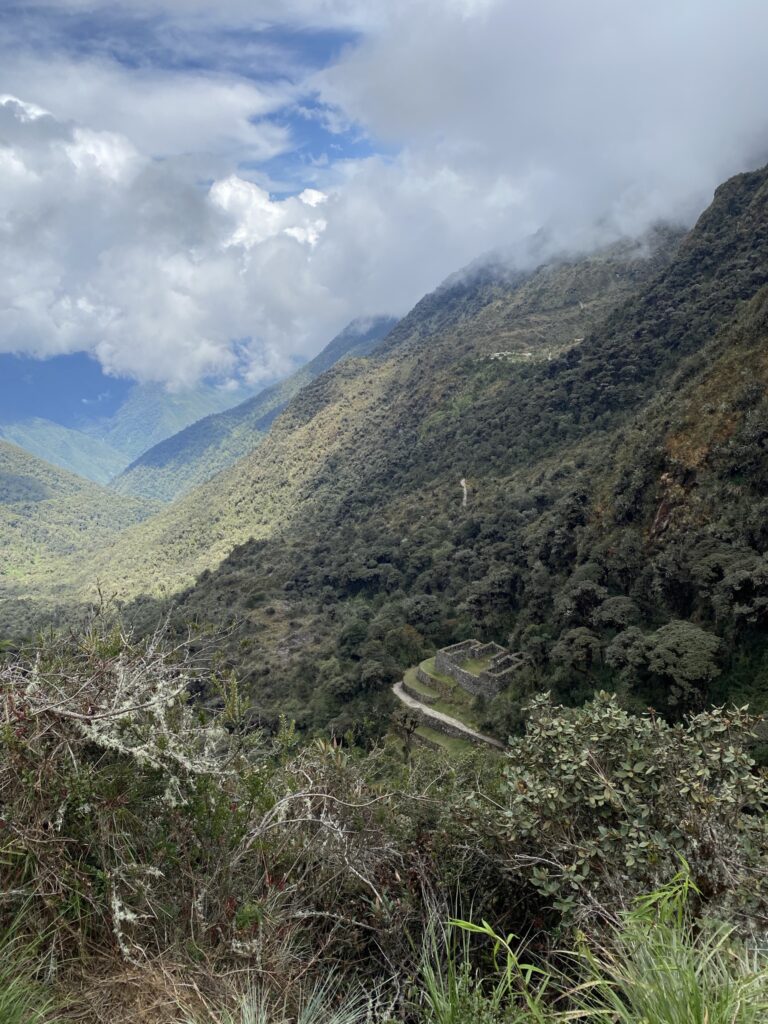
Absolutely! While this trail can be demanding at certain times, it is accessible for healthy and active people. Most beginners find the altitude more challenging than the distance itself. If you’re comfortable walking several hours a day and can handle stairs or hills, you can absolutely complete this hike with proper preparation.
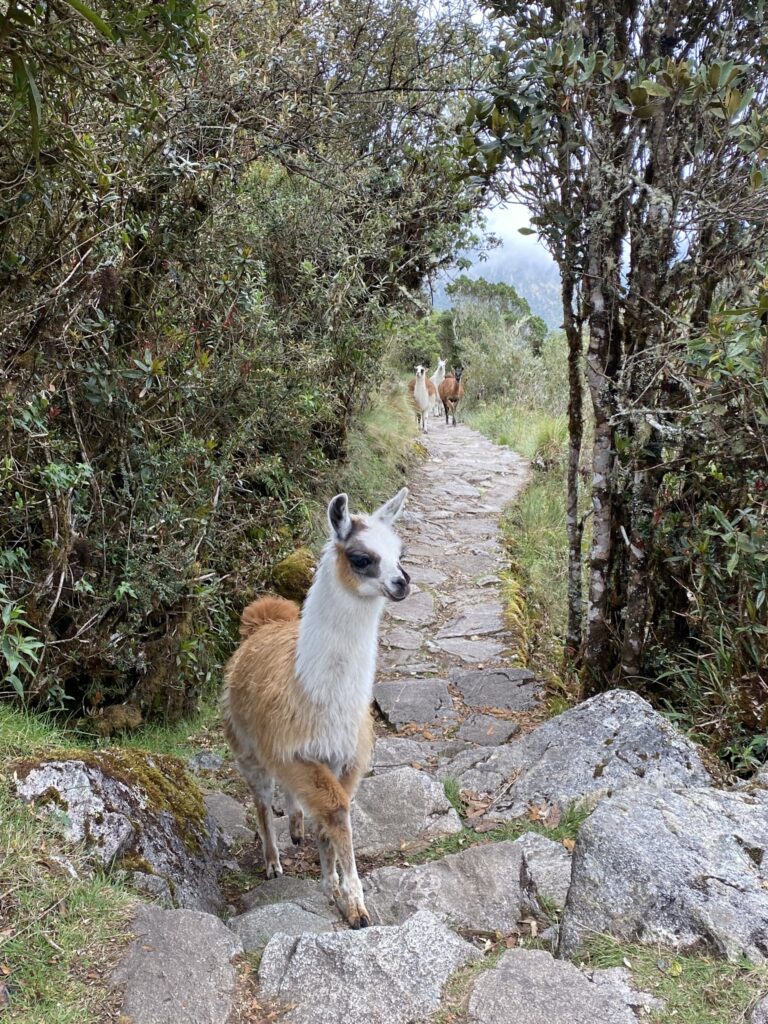
In my experience, this trail rises and falls with steady climbs and descents, keeping the adventure exciting without being too extreme. So, part of the trail is relatively easy to walk (while remaining careful!) and there are specific parts that are more challenging.
Best Time to Go
As mentioned above, the best time to hike the Inca Trail is from May to September during the dry season.
BUT I completed this hike in November and there was no rain during my entire time in Peru! While the rain season is from September to April, it mainly rains from December through March.
However, if you don’t feel like taking a chance on the weather, your best bet is to stick to planning your trip during the dry season.
Why You Need a Guided Tour for the Inca Trail (and My Experience With G Adventures)
A guided tour is required on the Inca Trail; permits are mandatory, only licensed operators can obtain them, and independent trekking isn’t allowed.
With the organized tour I joined, the 43 km long (about 26 miles) Inca Trail took 4 days to complete and ended at Machu Picchu.
My group tour was 7 wonderful days total since it included a guided tour of Cusco and the Sacred valley as well as the transportation to the Inca trail’s starting point (km 82). This tour also incorporated cultural elements during the tours, hotel bookings, camping equipment and 3 meals per day.
In my case, I joined an organized group trek with the Canadian company G Adventures, a leading group tour operator, that started in Cusco.
Do You Have to Hike the Inca Trail to Visit Machu Picchu?
No, but it’s very satisfying to end a challenging hike at the legendary Machu Picchu site and getting exclusive views! If hiking is not an option, there is a train from Cusco to Machu Picchu that operates year-round.
I’ll admit I’m biased, but I absolutely loved hiking the Inca Trail, the views were breathtaking from start to finish.
How to Prepare for the Inca Trail Hike
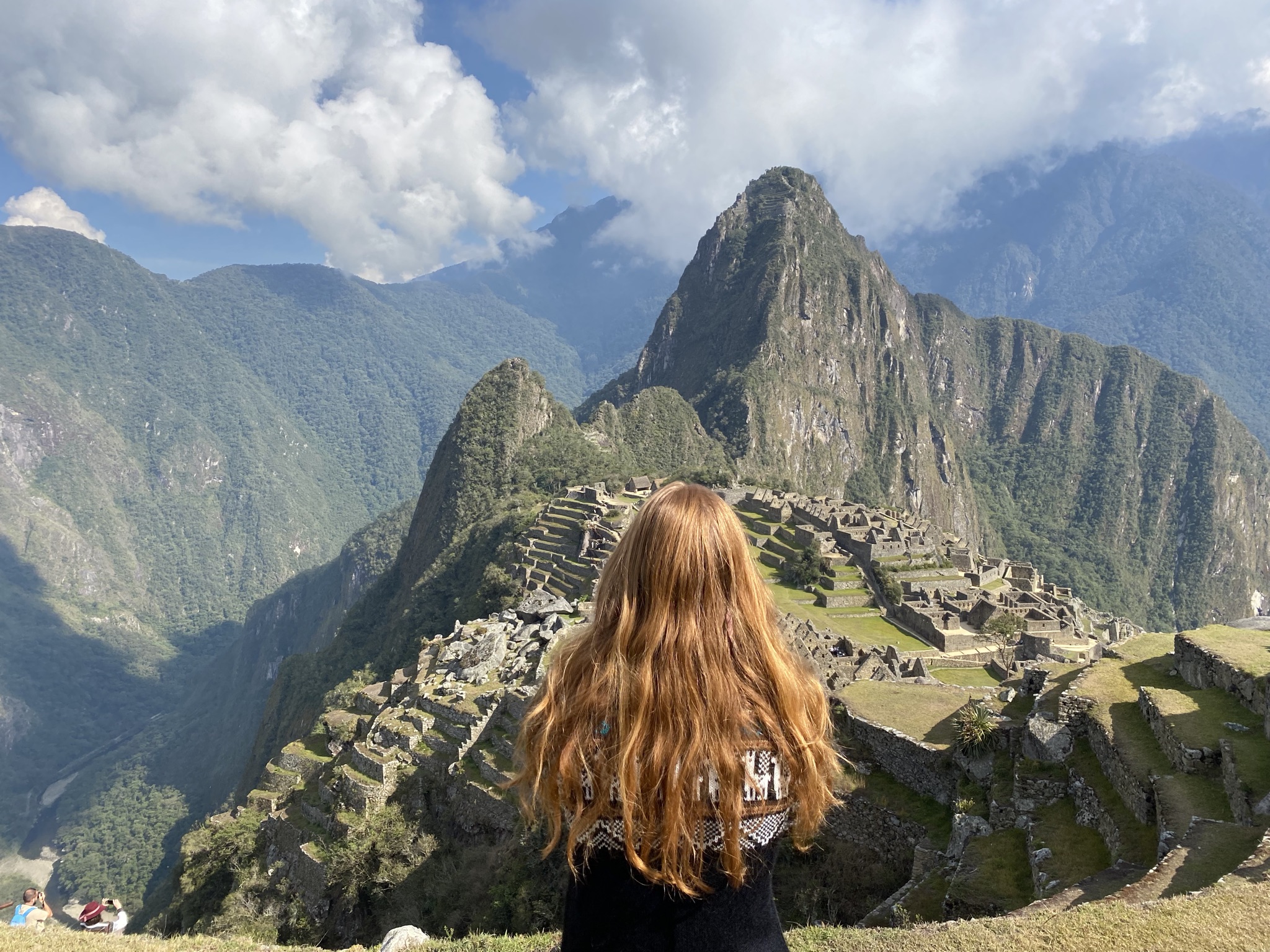
Arriving in Cusco
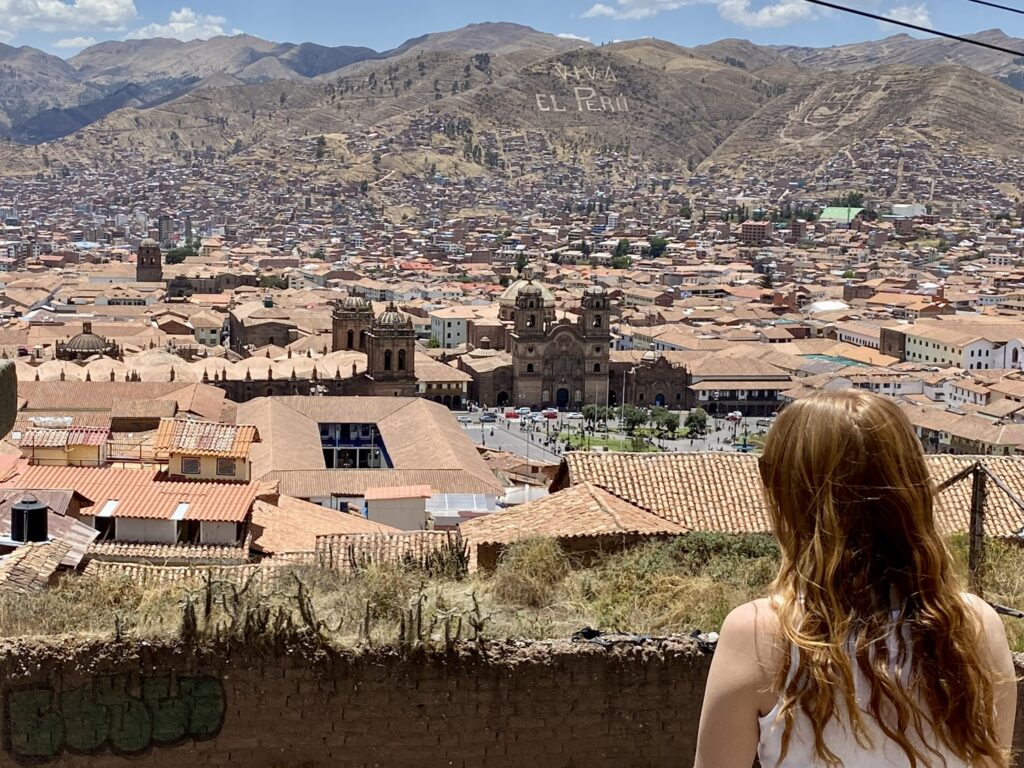
I strongly recommend planning to arrive in Cusco at least a day before your guided hike starts. This will give you time to adjust to the elevation since Cusco sits at an elevation of approximately 3400 meters above sea level.
Depending on how much time you have, go explore the city and enjoy the amazing sights and the tasty food. Starting from Cusco, you’ll find various day trips and hikes worth exploring, making it well worth planning a few extra days to explore.
Health & Safety
Consult a health care provider, such as a specialized travel clinic, to inquire about essential pre-departure vaccines and medications you might consider bringing.
Considering the variable risk levels and instability in Peru, make sure to check for regional advisories that may be affecting Cusco, such as strikes or social conflicts.
Training
Since this hike is demanding but accessible to most healthy and active people, your training will depend on your fitness level and hiking experience. The goal is simply to feel comfortable walking long distances, climbing stairs, and carrying a backpack for several hours a day.
Build a Walking Routine: Go on regular walks, daily if possible, and add a few local hikes to get used to uneven terrain.
Focus on Cardio & Endurance: Stair climbing, hill training, and steady‑state cardio (walking, cycling, elliptical) are great for building stamina. You can also practice with a lightly loaded backpack to mimic trail conditions.
Strength training: Prioritize simple leg exercises like squats, lunges, and step‑ups. Strong legs make both the climbs and descents much easier.
Don’t Forget Downhill Training: Descending can be harder on the knees than going up. Practice going down stairs or hiking trails with elevation loss.
Essential Hiking Gear to Pack
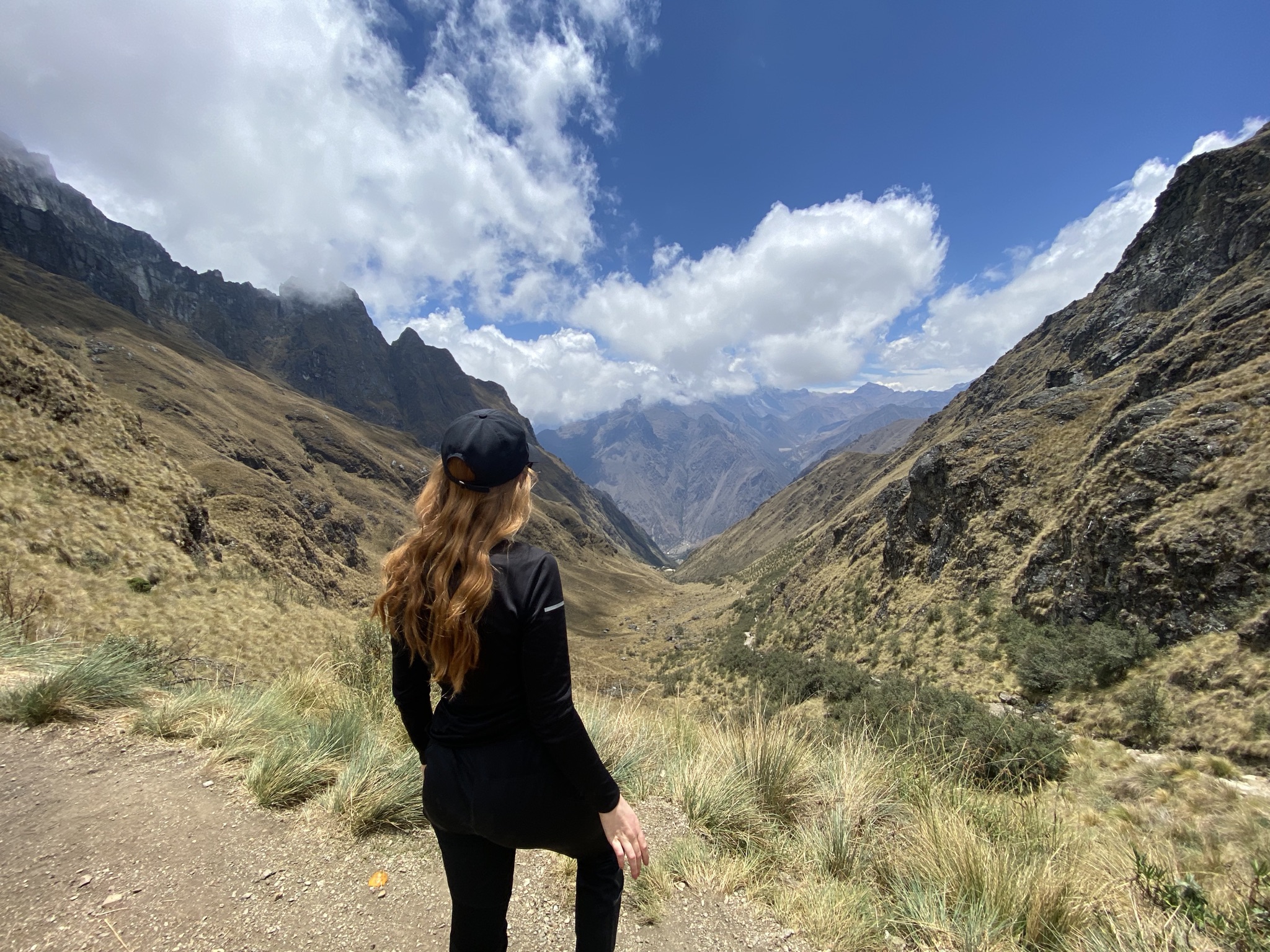
Here is a list of essentials for your hike to ensure a safe and enjoyable adventure:
- Backpack: the size will depend on the type of trip you are planning. Considering the guided tour I took included porters that transported our luggage, I only needed to bring a good day pack. Prioritize quality, durability and good lumbar support since you will be carrying your backpack for most of the day when hiking.
- Hiking shoes/boots: investing in a good pair of hiking shoes or boots is critical for a more enjoyable hiking experience. Prioritize quality, durability, traction and grip, good support and water resistance.
- Rain jacket: ideally lightweight and packable.
- Fleece: it’s important to bring warmer clothing since you may experience colder weather at high altitude, especially at night. Plus, it’s so comfortable!
- Moisture-wicking layers: long sleeve and/or short sleeve athletic shirts.
- Hiking pants: consider lightweight, breathable and water-repellent pants. Leggings and shorts are also good options, but consider options adapted for long hikes and weather changes.
- Water filtration system: a portable filter or purification tablets are good options. A portable filter might be a bit more expensive but is a great investment if you are planning to do more multi-day hikes.
- Lots of water: Your guided tour operator should be able to provide water as well.
- High-energy snacks: granola bars, protein bars, fresh/dried fruits.
Tip: Stop by a grocery store in Cusco before joining your tour and grab a few snacks so you always have a snack with you. - First aid kit
- Headlamp: this will be especially useful for walking around the camp site at night and early morning.
- Sunscreen and sunglasses: SPF please!
- Bug spray
- Trekking poles (optional): while these are not absolutely necessary, they are particularly helpful for stability and support on steep trails and longer hikes, and are a good investment for all challenging hikes.
- Cash for tipping porters and guides (standard practice).
- Toilet paper, hand sanitizer, and a small quick‑dry towel.
- A portable battery pack is essential since there is no charging on the trail.